
Articles · Spa & hospitality
The Invisible Spa
What it really takes to create ease
By Aphra Hill
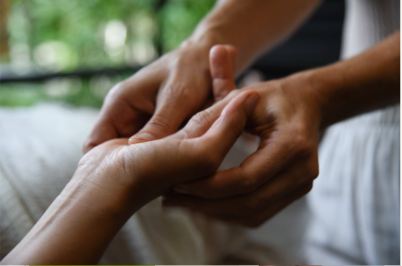
One of the great paradoxes of spa is that the better it works, the less the guest notices.
You arrive. Someone knows your name. The room is ready. The temperature feels right. The therapist isn’t rushed. The product is there. The linen is warm. The scent is subtle. The treatment flows. Tea appears. Nothing jars.
For ninety minutes, life becomes remarkably simple.
And somewhere behind the wall, an enormous amount of work is happening to make simplicity possible.
I have spent more than 25 years working with spas, therapists, managers and luxury hospitality properties, and I have come to deeply respect this invisible side of the industry.
Because serenity is operational.
Behind every quiet treatment room is a machine
A functioning spa is an extraordinary ecosystem.
Treatment rooms. Therapists. Rosters. Bookings. Laundry. Professional product. Retail stock. Reception. Training. Ordering. Purchasing. Accounts. Guest expectations. Hotel occupancy. Treatment menus. Margins.
And humans, with all the unpredictability humans bring.
The guest doesn’t need to know any of this. In fact, that is partly the point.
The complexity is absorbed so the guest can experience ease.
That is hospitality.
The spa manager is holding more than we see
Over the years I have developed enormous respect for good spa managers.
From the outside, the role can look beautifully wellness-adjacent.
From inside, they may be managing a therapist calling in sick, three fully booked treatment rooms, an overdue product order, a guest complaint, next month’s roster, retail targets, training a new therapist and answering a hotel manager’s revenue question before lunch.
And then we, the product supplier, arrive with:
“Would you like to see our new serum?”
It has made me think deeply about what being a good professional partner actually means.
It isn’t simply having a beautiful product.
We have to make their business easier to run.
The spa manager is holding more than we see
Over the years I have developed enormous respect for good spa managers.
From the outside, the role can look beautifully wellness-adjacent.
From inside, they may be managing a therapist calling in sick, three fully booked treatment rooms, an overdue product order, a guest complaint, next month’s roster, retail targets, training a new therapist and answering a hotel manager’s revenue question before lunch.
And then we, the product supplier, arrive with:
“Would you like to see our new serum?”
It has made me think deeply about what being a good professional partner actually means.
It isn’t simply having a beautiful product.
We have to make their business easier to run.
A treatment has to work twice
When we develop professional treatments, there are two experiences happening simultaneously.
The guest needs to experience something exceptional. But the treatment also needs to work commercially.
How long does it take?
How much product does it use?
How easily can a therapist learn it?
What does it cost per treatment?
Does it fit the menu?
Does it make sense within the treatment room?
Can it be delivered consistently by a team?
Does it naturally create a home-care conversation?
A treatment can be beautiful and commercially impossible. Or commercially efficient and completely forgettable.
The interesting work is finding the place where both meet.
The therapist is where everything becomes real
A brand can spend enormous amounts on formulation, packaging, photography and marketing.
Then the product enters the hands of a therapist. And suddenly everything depends on a human relationship.
The therapist uses it. Feels it. Smells it. Understands it. Or doesn’t. Believes in it. Or doesn’t.
And then a guest asks:
“What did you use on my skin?”
That moment is worth paying attention to.
Because professional spa retail is fundamentally different from ordinary retail.
The guest has already experienced the product. The therapist has observed their skin. Trust already exists.
The recommendation can become an extension of care rather than a sales transaction.
Which is why I believe therapist education is one of the most important investments a professional spa brand can make.
When retail isn't working ask why
I have heard some version of this sentence countless times:
“Retail isn’t really moving.”
Sometimes the product genuinely isn’t right. But often, that isn’t the whole story.
Is it being used in treatment?
Do therapists understand it?
Do they like it?
Is there a tester?
Is the product actually in stock?
Is the range too large?
Does reception understand it?
Is anyone making a recommendation?
Is there enough time at the end of the treatment?
Does the treatment naturally connect with home care?
Is the display inviting?
Are therapists uncomfortable with the idea of selling?
Retail is rarely one isolated behaviour.
It is the result of a system.
The same is true of product
We sometimes think the product’s journey ends when we ship the carton.
For the spa, that’s where it begins.
It arrives. Someone receives it. Someone stores it. A therapist takes it into the treatment room. It becomes part of an experience. The guest encounters it. The therapist explains it. Perhaps the guest takes it home. Eventually the spa reorders.
There are multiple points where that journey can break.
And when we understand those points, we become much better partners.
Luxury is reliability too
There is another part of luxury that doesn’t photograph particularly well.
The right product arriving when promised. The correct invoice. Someone answering the phone. A clear lead time. A problem acknowledged quickly. A replacement organised. Training when a new therapist joins. An email that doesn’t disappear into the abyss.
It isn’t glamorous.
But I increasingly believe:
Operational excellence is part of luxury.
A beautiful brand that repeatedly creates work for its partners isn’t providing a beautiful experience.
We need to understand the business of spa
There can sometimes be discomfort in wellness around talking about money. I don’t share it.
A healthy spa needs to be commercially healthy.
It needs to pay talented therapists properly. Train them. Maintain beautiful facilities. Purchase exceptional products. Wash mountains of linen. Invest in its people. And remain open.
That requires margin. It requires bookings. It requires intelligent treatment pricing. It requires retail. It requires repeat guests.
Commercial health allows care to continue.
I don’t see commerce and wellbeing as opposing forces. Done well, they sustain each other.
From supplier to partner
This has changed how I think about our own role at alkeme.
I don’t want us to simply manufacture products and send boxes. I want us to understand what happens after the box arrives.
How does the treatment work?
What are therapists saying?
What are guests responding to?
What’s sitting on the shelf?
What keeps running out?
Where is the manager struggling?
Where is there an opportunity we haven’t noticed?
Sometimes the answer will be another product. Sometimes it might be training. A treatment redesign. A simpler retail range. An incentive. A guest immersion. A signature scent. A piece of education.
Or simply fixing something that should have been easier in the first place.
The invisible work creates the visible feeling
I think this is one of the things I love most about spa.
At its best, hundreds of practical details disappear into a single human experience.
Someone walks in carrying their day. And perhaps ninety minutes later, they walk out differently.
They may never know how much work went into making that possible. They shouldn’t have to.
That is the invisible craft.
Product. People. Timing. Training. Touch. Commerce. Hospitality. Care.
All moving quietly underneath the surface.
Because ease rarely happens by accident.
It is created.
And when we understand everything required to create it, we become much
better at caring for the people who create it every day.