
The Spa Guest Has Changed
And perhaps spa needs to change with them
By Aphra Hill
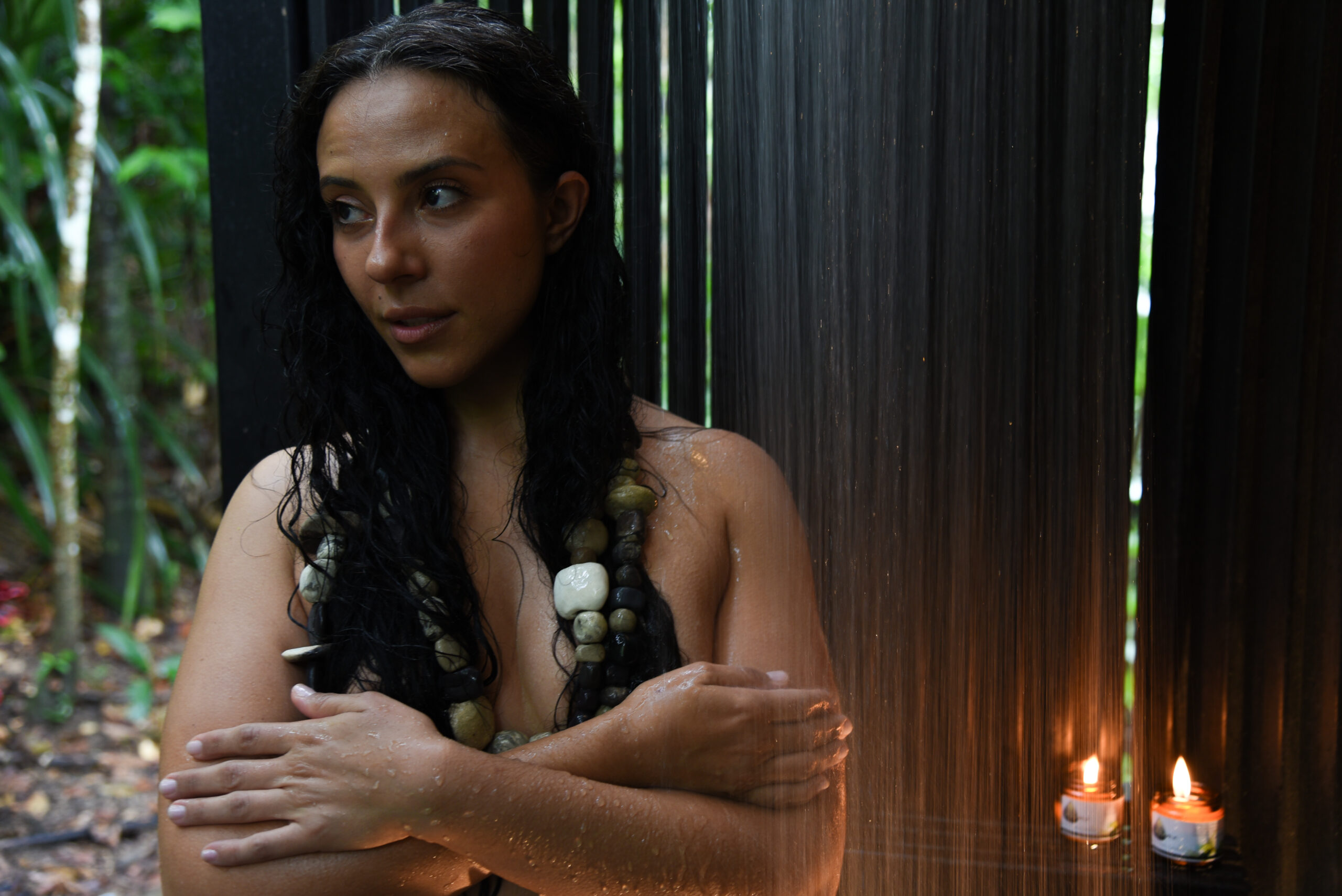
I have spent more than 25 years watching people walk into treatment rooms. The rooms have changed. The products have changed.
The technology has certainly changed. But perhaps the most interesting change is the person walking through the door. Because today’s spa guest is arriving with a very different life outside that room.
They are more informed. More stimulated. More measured.
More connected digitally and, sometimes, less connected in every other way. They know more about ingredients, health and wellness than previous generations. They may track their sleep, heart rate and recovery.
They may understand cortisol, fascia, peptides, retinol, red light, lymphatics and the microbiome. They may also simply be exhausted. And I think this changes what spa can be.
From pampering to something deeper
When I began working in this industry, much of the Western spa and beauty world spoke a fairly straightforward language.
Beauty. Pampering. Facials. Body treatments. Relaxation. Beautiful skin.
Luxury meant being looked after. And there was nothing wrong with that. There still isn’t.
There is something deeply valuable about pleasure, beauty and allowing another person to care for us. But through the late 1990s and early 2000s, I watched another language begin moving into mainstream spa.
Aromatherapy. Ayurveda. Natural products. Massage. Energy work. Meditation. Yoga. Holistic treatments.
Guests weren’t only asking:
How can you make me look better?
Increasingly, they were asking:
How can you make me feel different?
Calmer. Grounded. Restored. Energised. More themselves.
This was the world in which LI’T YA grew. It was a fertile moment for Australian botanicals, sensory treatment, place and a more holistic understanding of what happened inside a treatment room.
Then spa became wellness
During the following decade, another shift occurred. The conversation became much larger than spa. We began talking about wellness.
Nutrition. Movement. Sleep. Meditation. Mindfulness. Natural health. Sustainability. Retreat. Clean beauty.
Hotels began incorporating wellness beyond the spa itself.
Into food. Fitness. Architecture. Sleep. Nature. Guest experiences.
The question expanded again.
How can I live better?
Spa was no longer simply somewhere we went for an occasional treatment. It was becoming part of a wider conversation about how we live.
Then the world stopped
The pandemic did something profound to an industry built around human proximity and touch. Spas closed. Travel stopped.
People became isolated. And when the world began opening again, many guests arrived carrying something different.
Stress. Burnout. Digital overload. Disrupted sleep. Anxiety. Disconnection.
A sense that life had become very fast, very full and strangely difficult to switch off from. Around this time, the language of the nervous system began moving much more visibly into mainstream wellness.
Breathwork. Somatic practices. Cold exposure. Heat. Grounding. Sleep. Recovery. Nature. Regulation.
The question underneath the spa visit was changing again.
How can I feel okay again?
That is quite different from asking for glowing skin. And yet they are not mutually exclusive. Perhaps that is the point.
We are whole people
One of the things I have become increasingly uncomfortable with is our tendency to separate ourselves into pieces.
Skin over here. Stress over there. Sleep somewhere else. Emotions in another room. Body. Mind. Environment. Lifestyle.
As though any one of these exists independently. After decades in formulation and treatment, I find myself increasingly interested in another question. Instead of only asking:
What condition is the skin in?
What happens when we also ask:
What state is the human being in?
Rushed? Tired? Overstimulated? Disconnected? Tense? Flat? Present? Open?
Skin condition still matters enormously. We are formulators. We care deeply about what we put on the skin and why. But perhaps condition and state belong in the same conversation.
That changes treatment.
The rise of optimisation
Today we are entering another fascinating period.
Longevity. Diagnostics. Wearables. Sleep optimisation. Metabolic health. Hormonal health. Recovery. LED. Heat. Cold. Compression. Biometrics. AI. Personalised wellness.
Some of this work is extraordinary. Technology is allowing us to see things about the human body that previous generations could barely imagine. I am excited by that.
But I am also curious about what happens when wellness itself becomes another thing we have to succeed at.
Did I sleep enough? What is my HRV? Did I get my steps? Did I meditate? Have I optimised my glucose? Am I ageing correctly? Are my hormones optimal?
Suddenly even wellbeing can become another performance review. And perhaps spa has something important to protect from that.
Being cared for does not need to become another achievement.
The analogue becomes precious
The more technological our lives become, the more fascinated I am by the things technology cannot quite reproduce.
Warm hands. Water. Scent. Silence. Skin. Breath. A cup of tea. The sound of rain.
Someone adjusting the blanket over your feet without needing anything from you. A therapist noticing that your breathing has changed. A room where nobody is asking you to respond.
These things seem almost ridiculously simple. And yet simplicity can become incredibly valuable in a complicated world. I don’t believe spa needs to reject technology.
Quite the opposite. There is extraordinary potential in combining technology, science, diagnostics and personalisation with what spa has always done beautifully. But I hope we remain deeply pro-human.
The therapist of the future
This is why I believe the therapist becomes more important, not less. The therapist of the future isn’t simply a technician following a sequence. But neither do I believe they need to become a psychologist, doctor, spiritual teacher or healer of everything.
Their power may be quieter than that.
Observation. Presence. Touch. Sensory intelligence. Communication. Product knowledge. Treatment intelligence. Personalisation. Boundaries.
And perhaps most importantly, awareness of their own state. Because a therapist brings themselves into every treatment. Their pace enters the room.
Their attention enters the room. Their breath enters the room. Their nervous system enters the room.
We know the difference when someone is truly present with us. We feel it before we can explain it. This question has become one of the threads underneath my work with Ritual Intelligence.
How we do something changes the experience of what we do.
Perhaps the treatment begins before the treatment
For many years our industry has understandably focused on treatment protocols.
Cleanse. Exfoliate. Mask. Massage. Serum. Moisturise.
But increasingly I think about the entire arc. What happens when the guest books? How are they welcomed?
What do they smell when they arrive? What is the light doing? What is the therapist’s pace?
How does the treatment begin? How do we transition between touch points? What happens when the treatment ends?
Do we immediately sit someone up and ask whether they’d like to buy three products? Or is there space? What do they drink?
What do they carry home? What do they remember three days later?
The treatment room is only one part of the treatment.
This is where spa and hospitality become inseparable.
Place matters too
Another part of the future of spa that excites me enormously is place. I don’t want to travel thousands of kilometres to a beautiful property only to encounter the same wellness language I could experience anywhere else. I want to know where I am.
Through plants. Scent. Food. Climate. Landscape. Texture. Water. Architecture. Story.
A rainforest treatment should be able to carry some memory of rainforest. An island has its own rhythm. A desert has its own language.
This is why Australian botanicals remain so compelling to me after all these years. And it is why we created Made Wild. Not to decorate a property with a local ingredient.
But to ask:
What does this place want to say?
So where is spa going?
I don’t think there will be one answer.
There will be extraordinary clinical spas. Longevity destinations. Bathhouses. High-tech recovery centres. Beauty spas. Retreats. Resort spas. Small independent practitioners. Places devoted almost entirely to touch.
And hybrids we haven’t imagined yet. But underneath the different models, I think the guest’s questions have been evolving. There was:
Make me look better.
Then:
Make me feel better.
Then:
Help me live better.
Increasingly:
Help me regulate, recover and understand myself better.
And perhaps the question we are moving towards is beautifully simple:
Help me return to myself.
One breath away
This is where I believe spa has an extraordinary opportunity. Not to promise to fix everything. Not to add another layer of optimisation.
Not to diagnose what belongs in the hands of other professionals. But to create places where human beings can experience themselves differently.
Through intelligent product. Touch. Scent. Water. Plants. Nature. Beauty. Science. Silence. Connection.
And the presence of another human being. Perhaps we have spent decades expanding wellness. Now there may also be value in distilling it.
Less noise. More noticing. Less performing. More presence. Less separation. More connection.
Because for all our extraordinary advancement, I keep returning to something remarkably simple.
Sometimes we are only one breath away from remembering who we are. And perhaps the future of spa isn’t only about what we add next. Perhaps it is also about what we help people remember.