
One Breath Away
The ancient story of spa, the women who brought me here, and where I believe we go next
By Aphra Hill
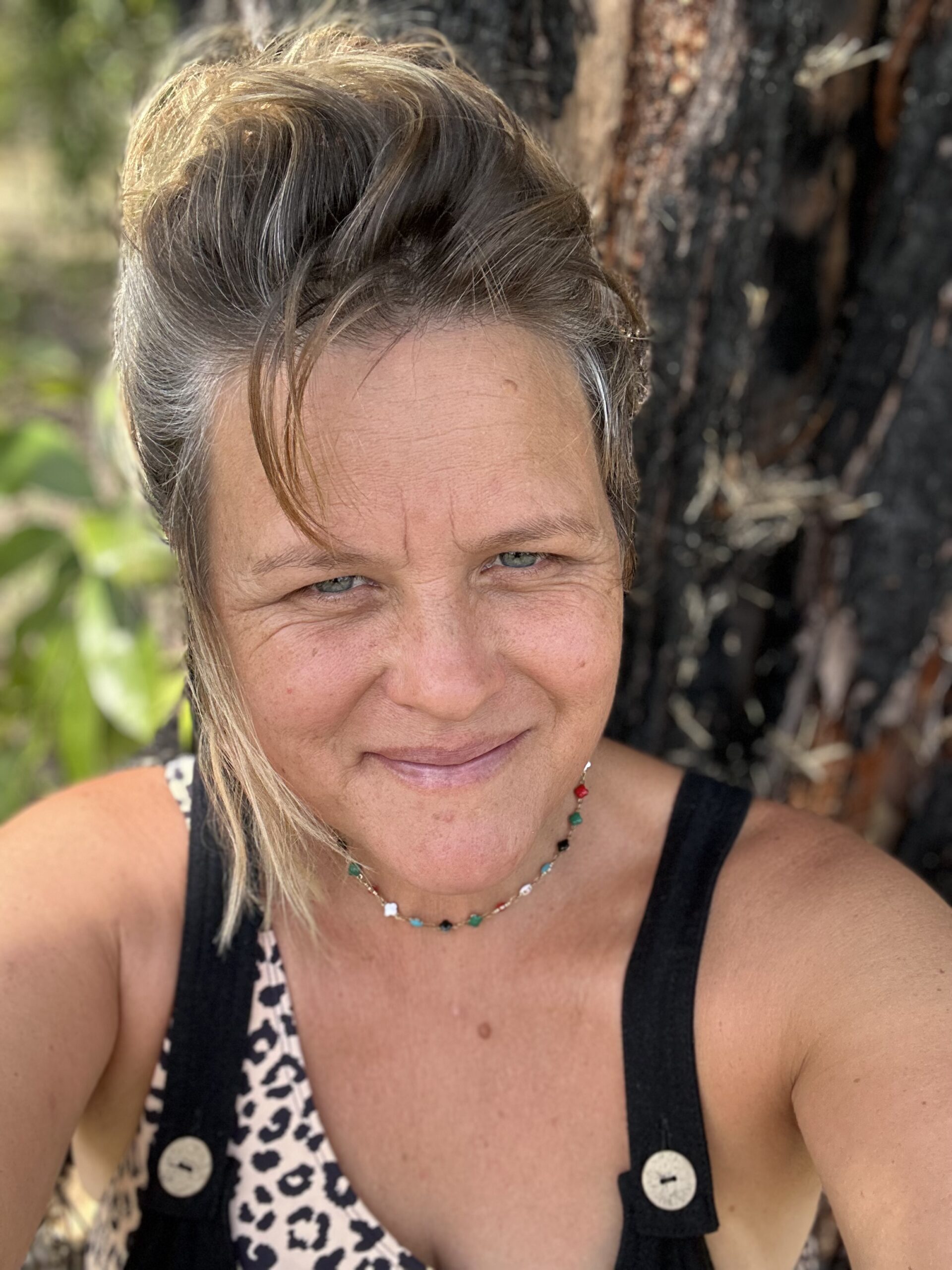
I have spent more than 25 years in spa.
Although, in truth, my relationship with this work began long before I knew to call it that.
I grew up around formulation. Around plants and ingredients. Around women making things with their hands.
My mother, Gayle Heron, founded Heron Cosmetics in 1997.
Her philosophy was built around an idea she called jiva: seed power, the living potential held within things.
That idea has never really left me.
What lives inside a seed?
What lives inside a plant?
What lives inside a place?
And perhaps the question that has followed me most closely through my own life:
What lives inside us, waiting to be remembered?
We did not invent wellness
The further I travel into this work, the less interested I am in pretending anything about wellness is particularly new.
Long before wellness became an industry, human beings knew to go to water.
To plants.
To warmth.
To touch.
To each other.
Ayurveda, traditional Chinese medicine, Roman bathing, Japanese onsen, hammam traditions, Indigenous healing cultures across the world: each developed its own language, knowledge and practices.
There is no single origin story.
There is instead something I find much more beautiful.
Again and again, across geography and culture, human beings recognised that wellbeing was connected to how we lived.
Our bodies.
Our minds.
Our food.
Our environment.
Our communities.
The natural world.
We knew that healing did not always mean fixing.
Sometimes it meant returning.
Then we built places around that knowing
The great mineral spa towns of Europe grew around water.
People travelled to “take the waters”, but what developed around those springs became much more than bathing.
There were gardens.
Walking.
Food.
Music.
Conversation.
Architecture.
Rest.
Beauty.
Human company.
Whole places began to be designed around creating a different state of being.
And I think that is important.
Because somewhere along the way, particularly as the beauty industry grew, we began to think of spa as something that happened in a treatment room.
I don’t think it does.
Spa begins long before the therapist touches the skin.
It is the light.
The sound.
The scent.
The pace.
The temperature.
The plants outside the window.
The way someone greets you.
The feeling that, perhaps for the first time that day, nobody needs anything from you.
And then the hands arrive.
An Australian language begins to emerge
Australia has its own history of mineral bathing and healing waters.
But the Australian spa identity that I grew up inside began asking another question.
What would happen if we stopped looking elsewhere for our language of wellness?
What if we looked here?
To our plants.
Our landscape.
Our scent.
Our extraordinary botanical intelligence.
And, with respect and appropriate acknowledgement, to the ancient knowledge held by the First Peoples of this continent.
This is where my family’s story enters.
My mother, LI’T YA and a different way of seeing
From Heron Cosmetics came LI’T YA.
LI’T YA became one of the early Australian professional spa brands to bring native Australian botanicals, treatment, education and a deeper connection to place into the spa experience.
Quandong.
Lilly pilly.
Kakadu plum.
Wattleseed.
Lemon myrtle.
Clays.
Salts.
Plants carrying the unmistakable fingerprint of this continent.
But it was never simply about putting an Australian ingredient into a cream.
There was a philosophy underneath it.
The ingredient had a story.
The treatment had intention.
The therapist mattered.
Place mattered.
Connection mattered.
LI’T YA eventually travelled from Australian treatment rooms into spas around the world.
And I travelled with this work too.
I watched.
I formulated.
I trained.
I created treatments.
I worked with therapists, spa managers, hotels and extraordinary people.
I watched ideas succeed.
I watched others become difficult to communicate.
I saw where we got things right and where, with the benefit of time, I would approach things differently now.
That matters to me.
Evolution requires us to honour what came before without becoming imprisoned by it.
I don’t want to recreate LI’T YA.
I want to honour the seed and allow it to become something new.
The therapist taught me something
After all these years, I have come to believe the therapist is one of the most underestimated people in wellness.
Because a product can be beautifully formulated.
A treatment can be impeccably designed.
A room can cost a fortune.
But the therapist is the point at which all of it becomes human.
They are the bridge.
Between formulation and skin.
Between scent and memory.
Between a treatment sequence and intuition.
Between another person’s nervous system and their own.
Between doing and being.
And when a therapist is truly present, something changes.
We all know it.
We might not always have language for it, but we feel it.
This has become one of the great curiosities of my work.
What is actually happening in those moments?
What happens when someone feels deeply cared for?
What happens when scent changes breath?
When touch changes rhythm?
When the body realises it doesn’t have to hold quite so tightly?
When we stop treating the human being as separate parts and begin to experience them as a whole?
These questions eventually led me towards what I now call Ritual Intelligence.
Perhaps the future of spa is not more
The global spa and wellness industries have grown enormously during my working life.
We have more technology.
More modalities.
More devices.
More data.
More products.
More optimisation.
And much of it is extraordinary.
But I don’t believe the future of spa will be defined simply by adding more.
I think part of it will be defined by our ability to become more discerning.
To understand what genuinely supports a human being.
To combine contemporary evidence with ancient intelligence.
To use technology without allowing it to replace humanity.
To understand the nervous system.
To understand sensory experience.
To respect nature not as a marketing aesthetic, but as the living system to which we belong.
To remember that our skin is not a boundary separating us from the world.
It is an interface with it.
And perhaps, increasingly, to recognise that wellbeing is not another thing we need to achieve.
Sometimes we are one breath away from remembering who we are.
This is alkeme
alkeme has grown from everything that came before it.
My mother’s work.
LI’T YA.
Heron Cosmetics.
Decades of formulation.
Australian botanicals.
Thousands of treatments.
Therapists.
Hotels.
Spas.
Successes.
Mistakes.
My own evolution as a woman, mother, founder, perfumer and formulator.
And an increasingly deep conviction that everything is connected.
people | place | product | purpose
I no longer see a skincare product as simply something that changes skin.
I see scent as information.
Touch as communication.
Plants as living intelligence.
Place as memory.
The therapist as a bridge.
And spa as one of the increasingly rare places in modern life where we are given permission to stop performing and simply receive.
And this is Made Wild
Made Wild emerged from the same understanding.
Every place already knows who it is.
Our work is to reveal it.
Through scent.
Plants.
Texture.
Treatment.
Product.
Australian botanicals.
The smallest sensory details.
Because I don’t want every beautiful hotel in the world to smell the same.
I don’t want wellness to become a beige international language.
I want to arrive somewhere and feel where I am.
A rainforest should carry rainforest.
An island should feel of salt, air and openness.
A desert should not need to borrow the language of a tropical spa.
Place has intelligence too.
The circle is becoming whole again
This is perhaps what fascinates me most.
After thousands of years of human experimentation and extraordinary technological advancement, some of the most compelling ideas in wellness are bringing us back towards things we have always known.
Water.
Heat.
Cold.
Plants.
Scent.
Touch.
Breath.
Nature.
Rest.
Community.
Presence.
Connection.
Not instead of science.
Alongside it.
Not returning backwards.
Returning wiser.
And perhaps that is what this next chapter of spa asks of us.
Not to invent another version of wellness.
But to listen more carefully.
To the body.
To each other.
To the plants.
To place.
To everything our increasingly busy lives have taught us to stop noticing.
My mother called it jiva.
Seed power.
Living potential.
Nearly thirty years later, I think I am still exploring the same idea.
What happens when we create the right conditions for what is already alive within something to emerge?
A seed.
A plant.
A place.
A therapist.
A human being.
Perhaps that has been the work all along.